Custom Pool & Spa Builder in Los Angeles
Gunite pools, built-in and standalone spas, pool decks, and the equipment that runs them, engineered for hillside lots and Los Angeles soil.
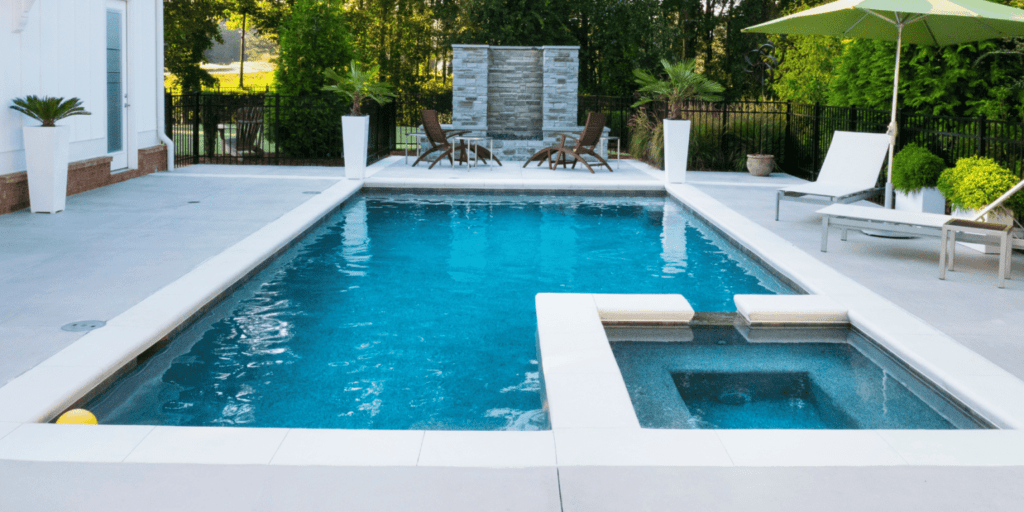
Where backyards become private resorts. Our pool and spa builds start with structural engineering and end with the finish that makes water look like it belongs there, tile, plaster, coping, and deck all selected together.
From a compact plunge pool to a full resort-style infinity edge with integrated spa, every build is designed for California’s climate: efficient equipment, durable surfaces, and a layout that works year-round.
Recent Pool & Spa Builds

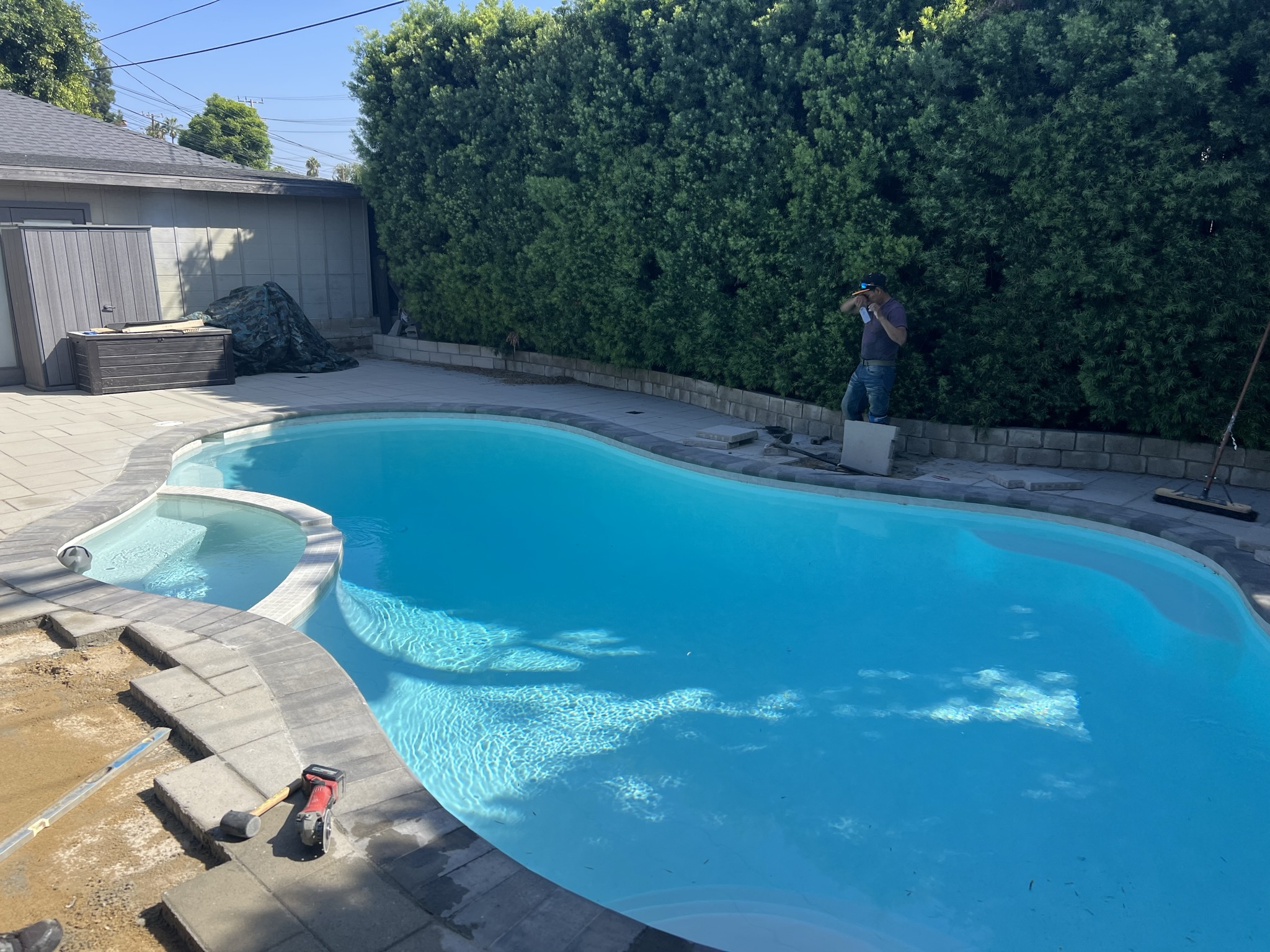


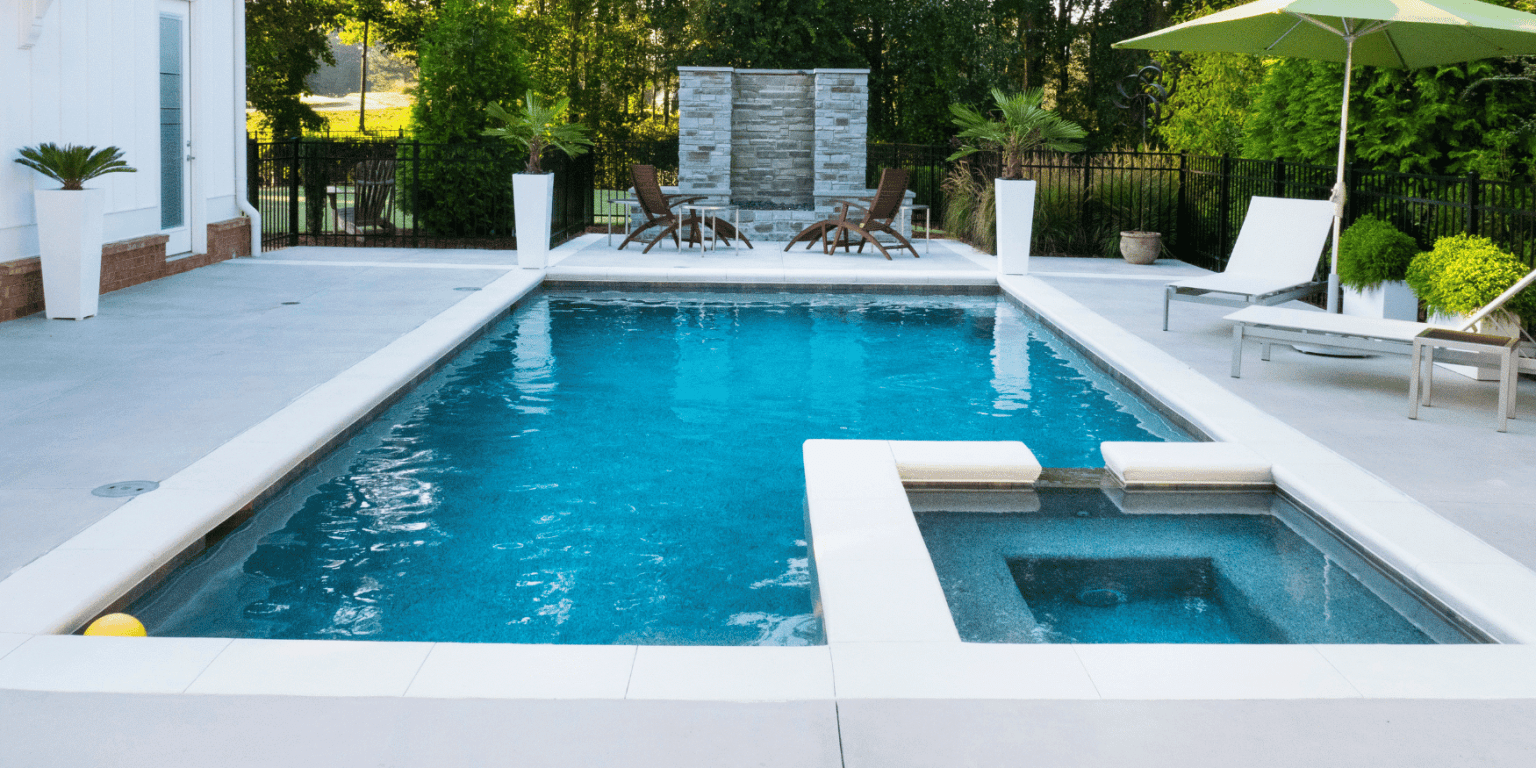


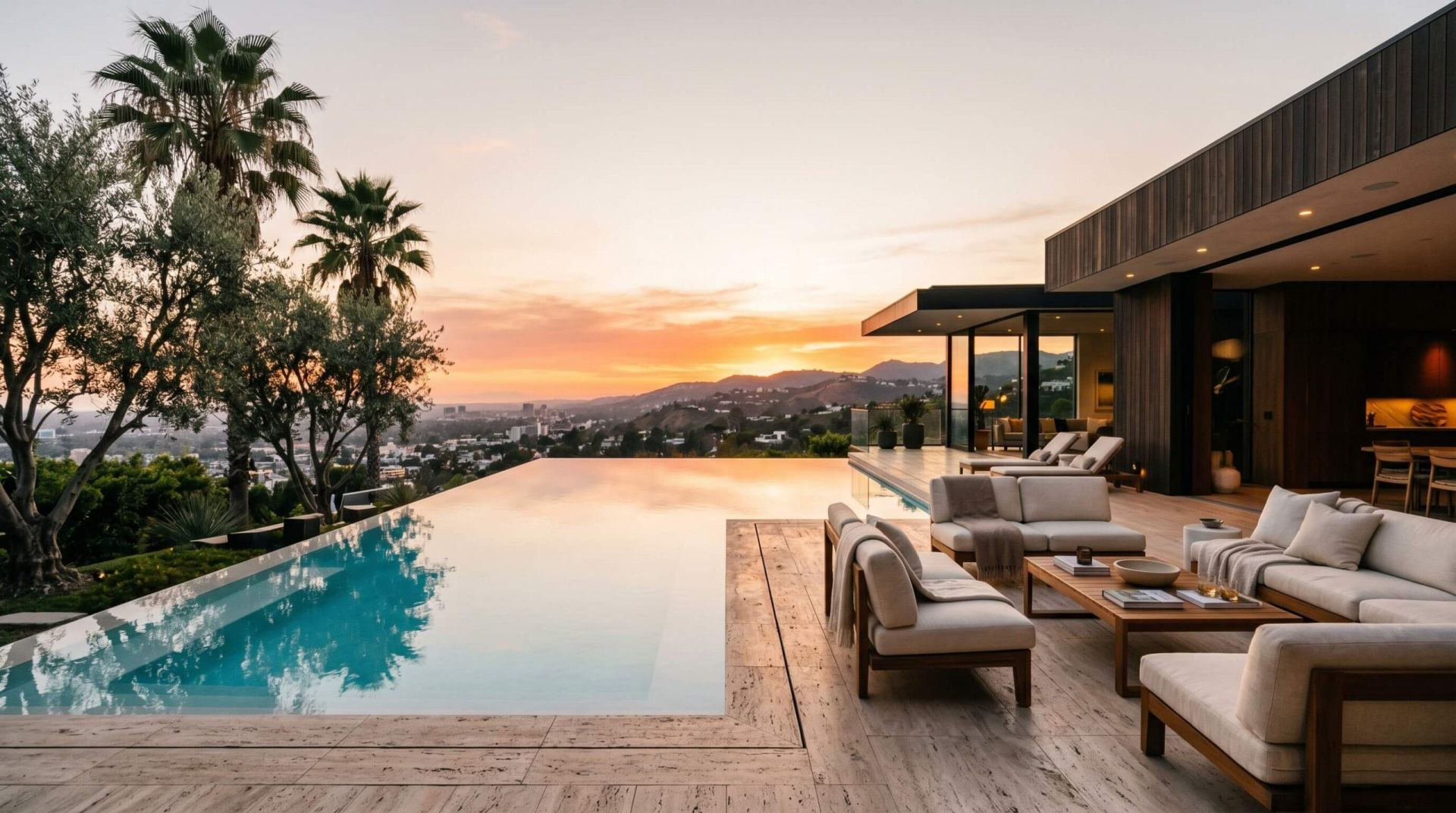
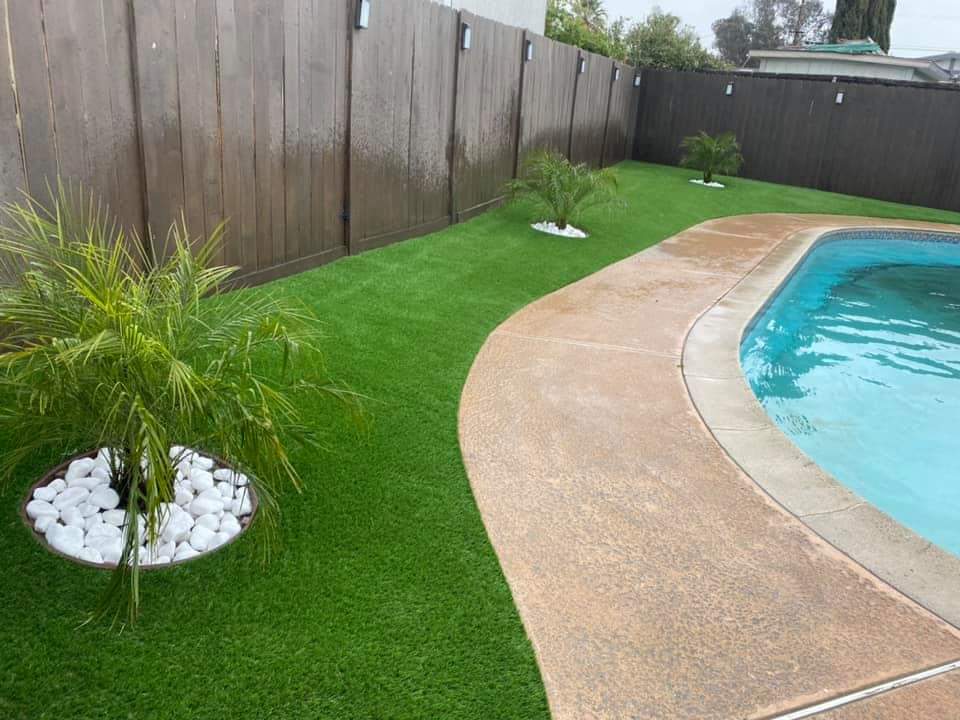
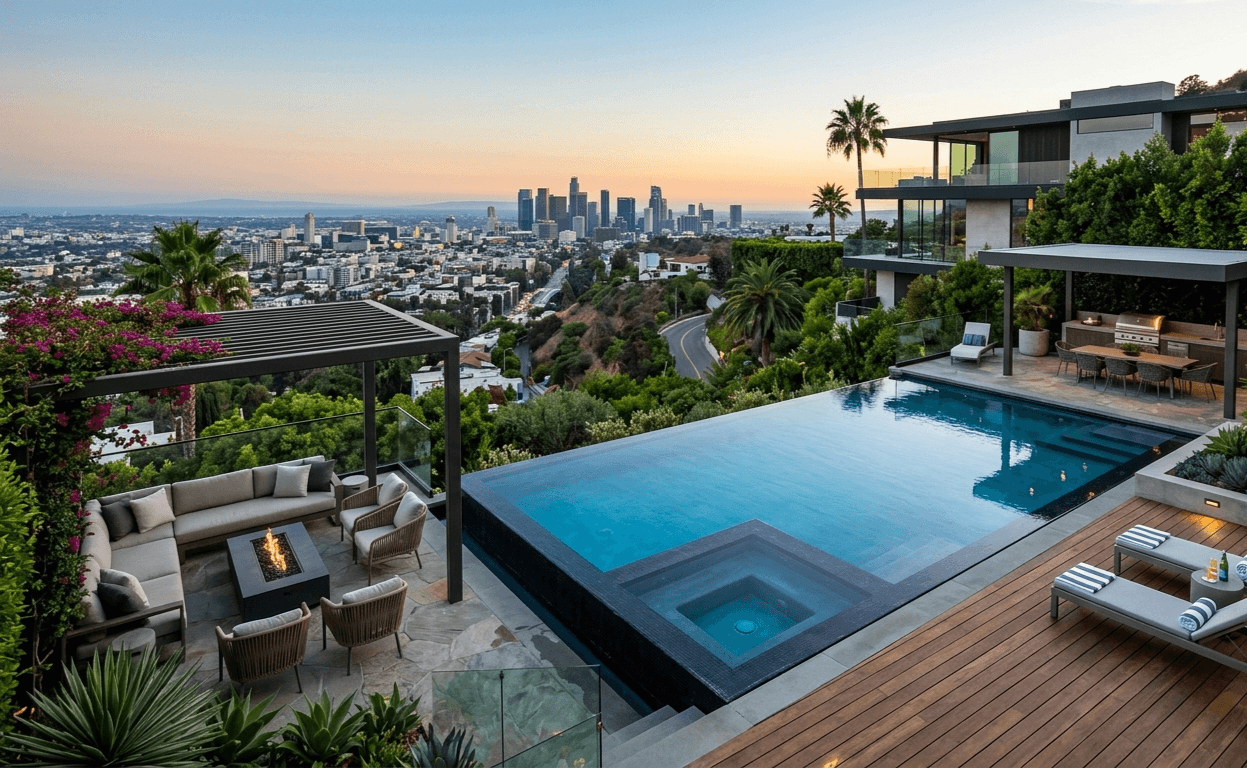
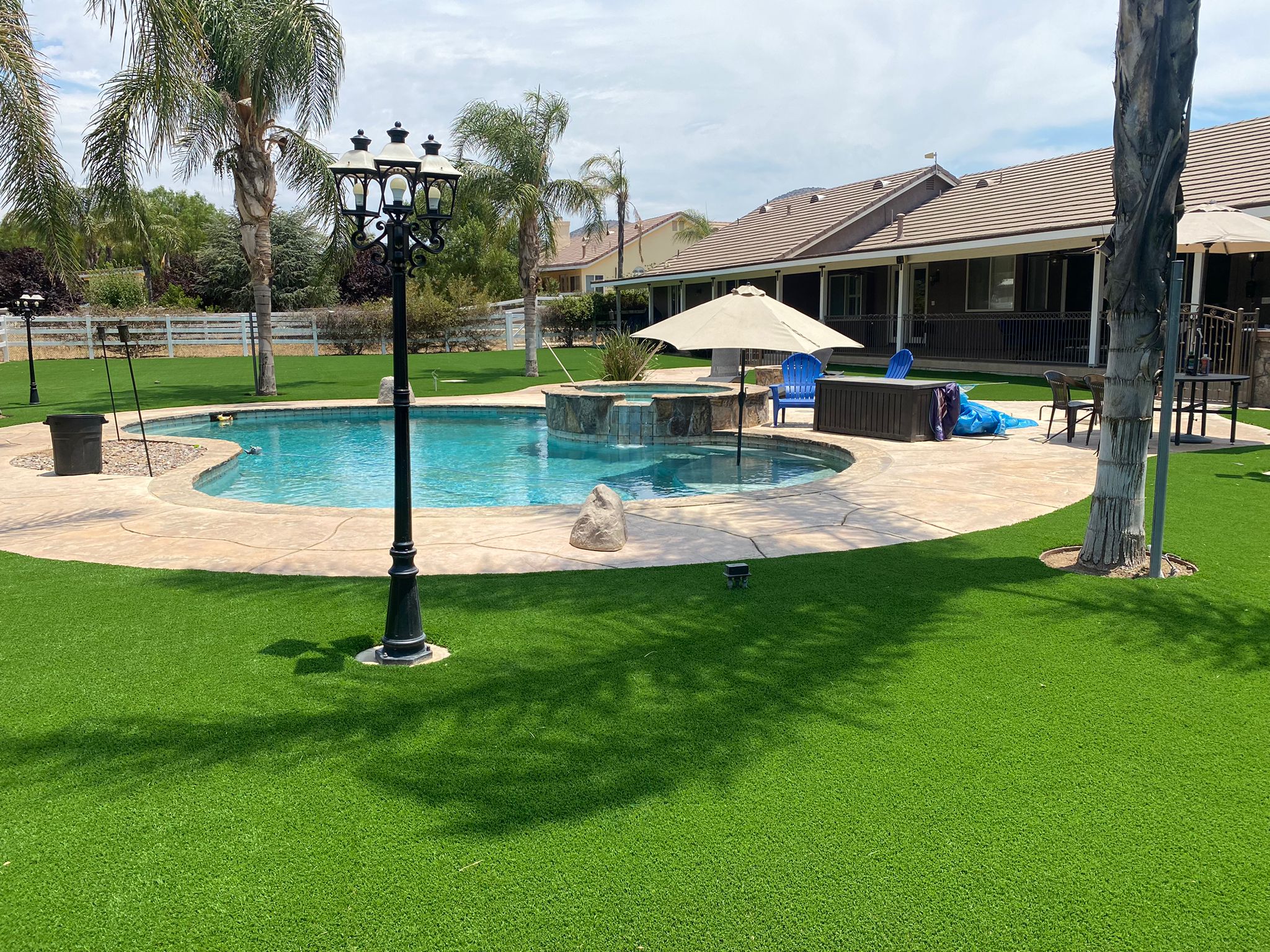
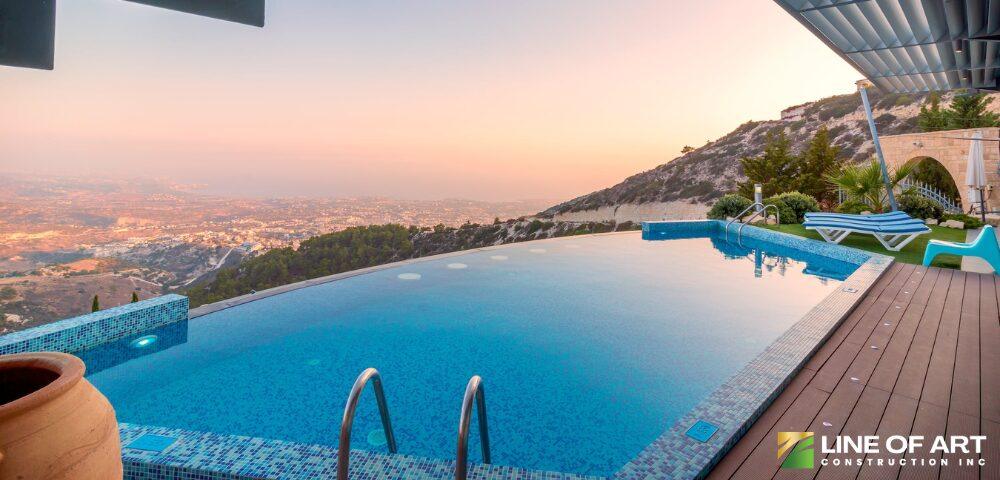

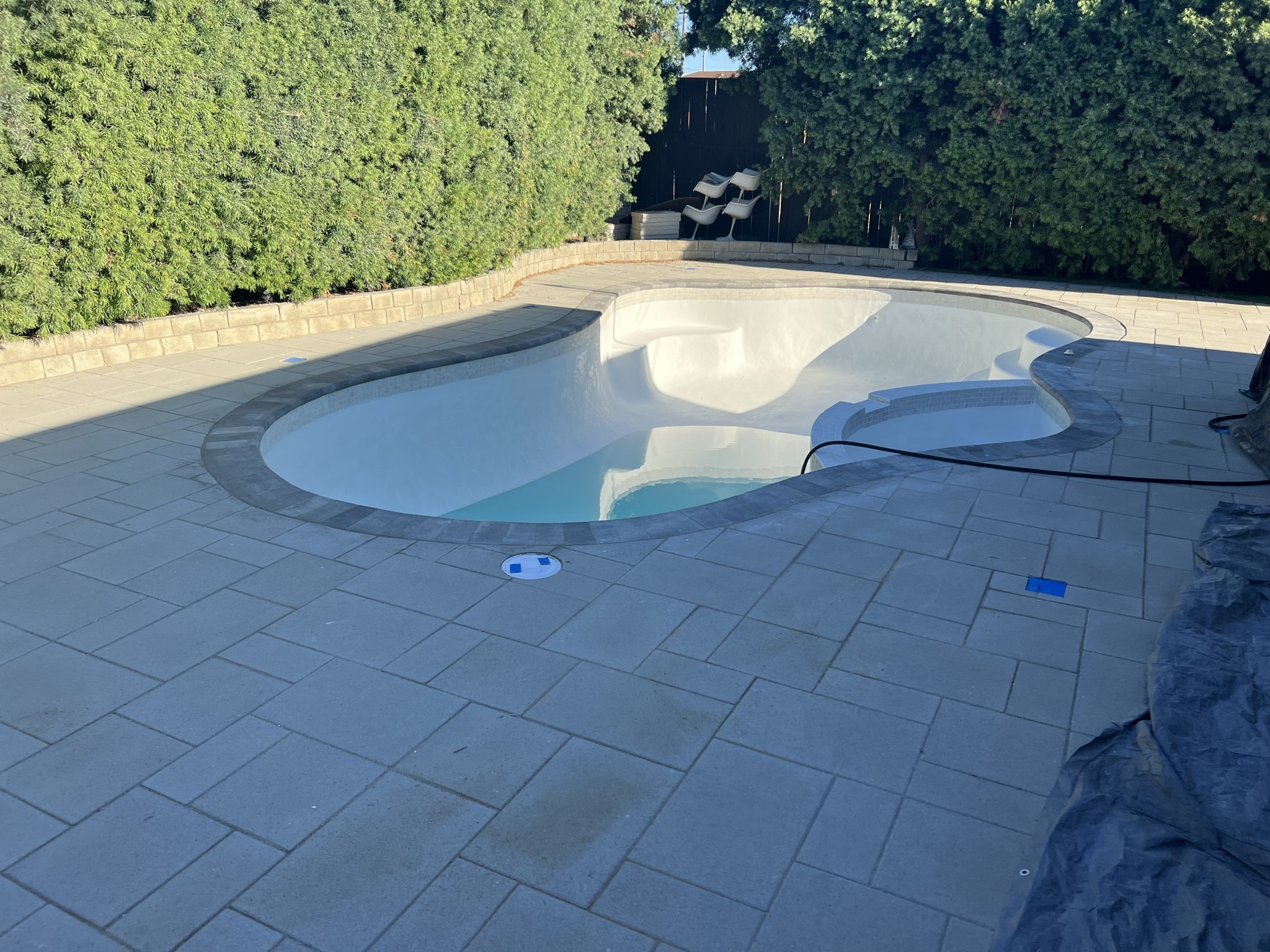
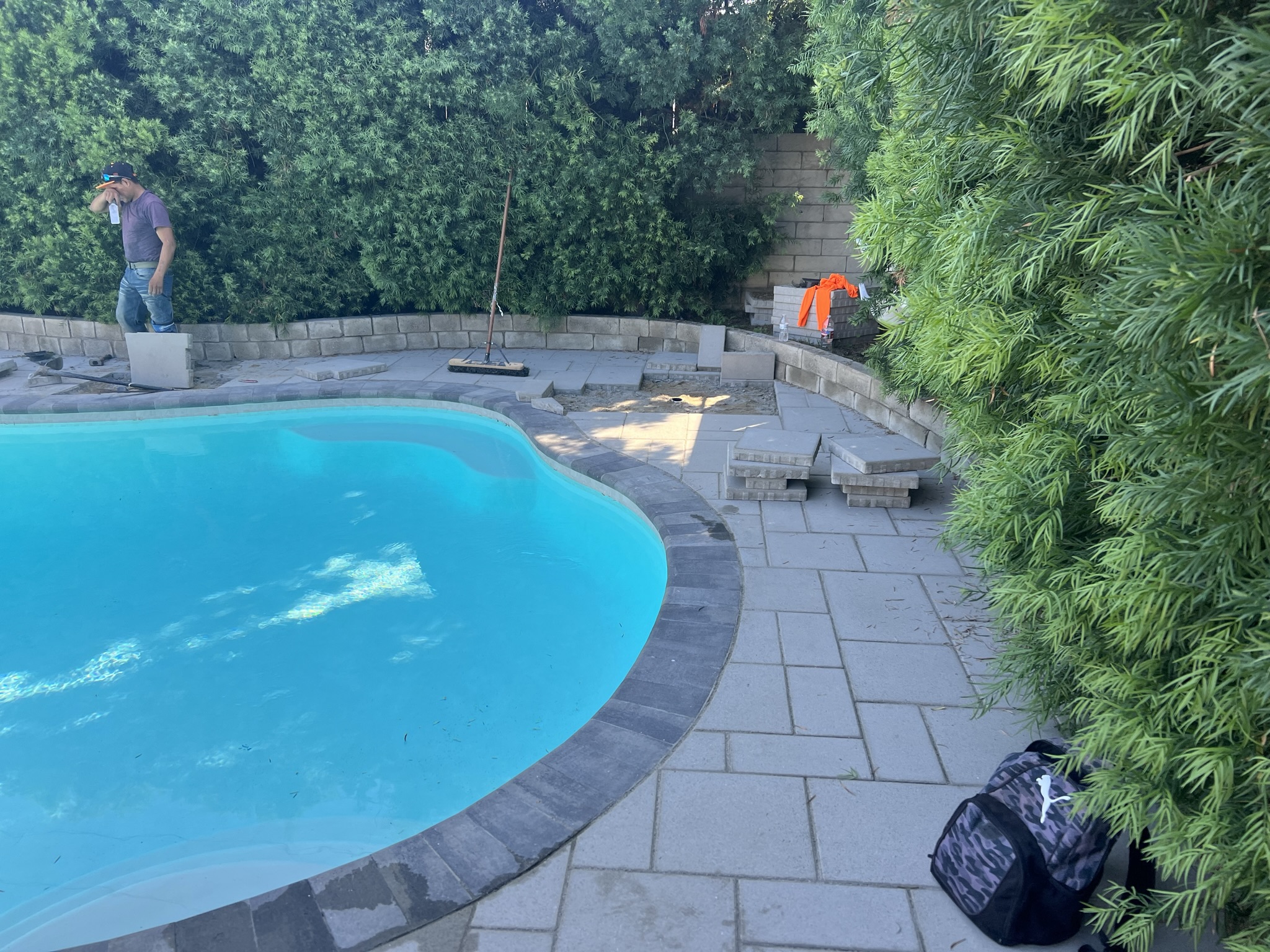
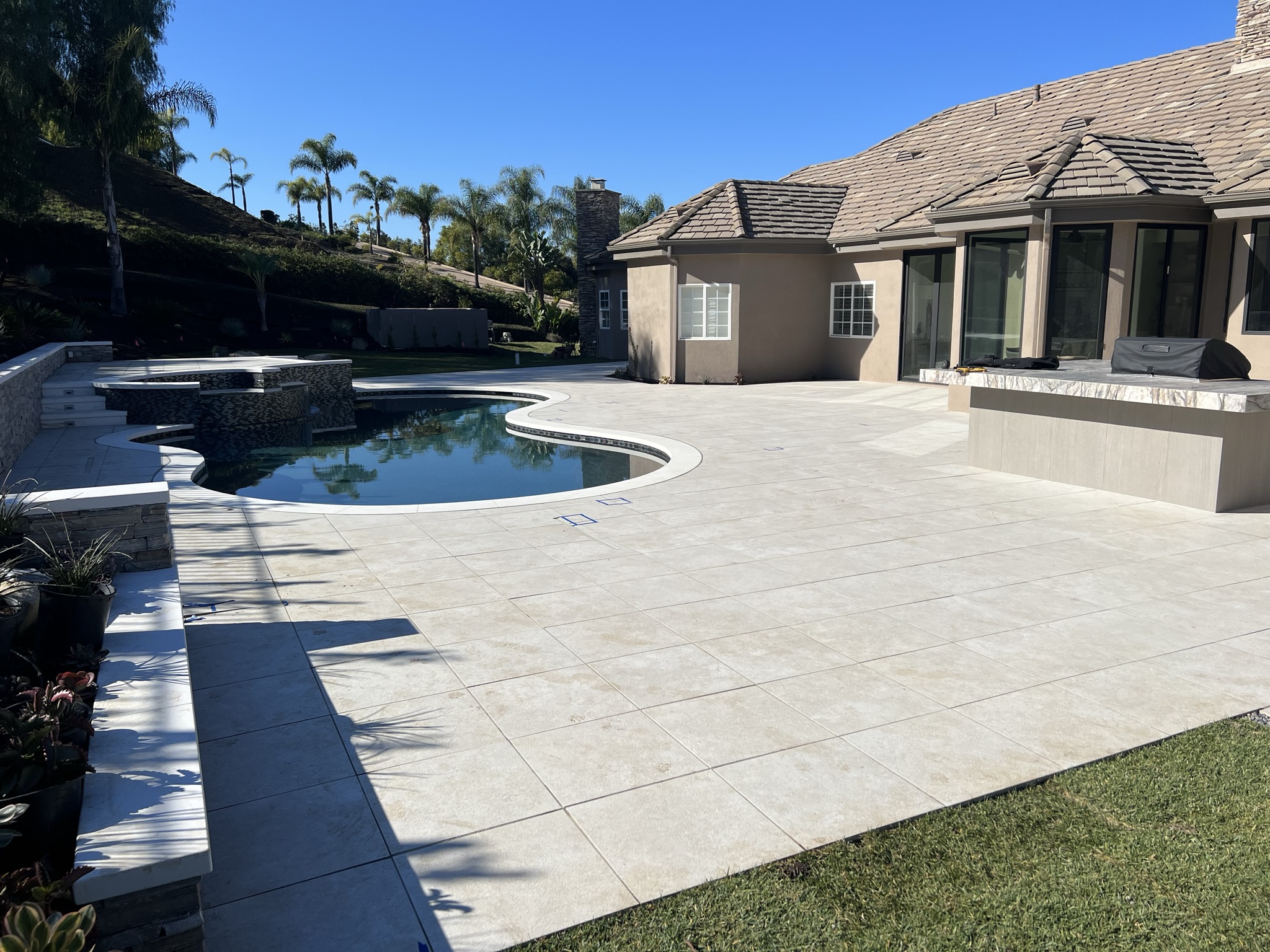
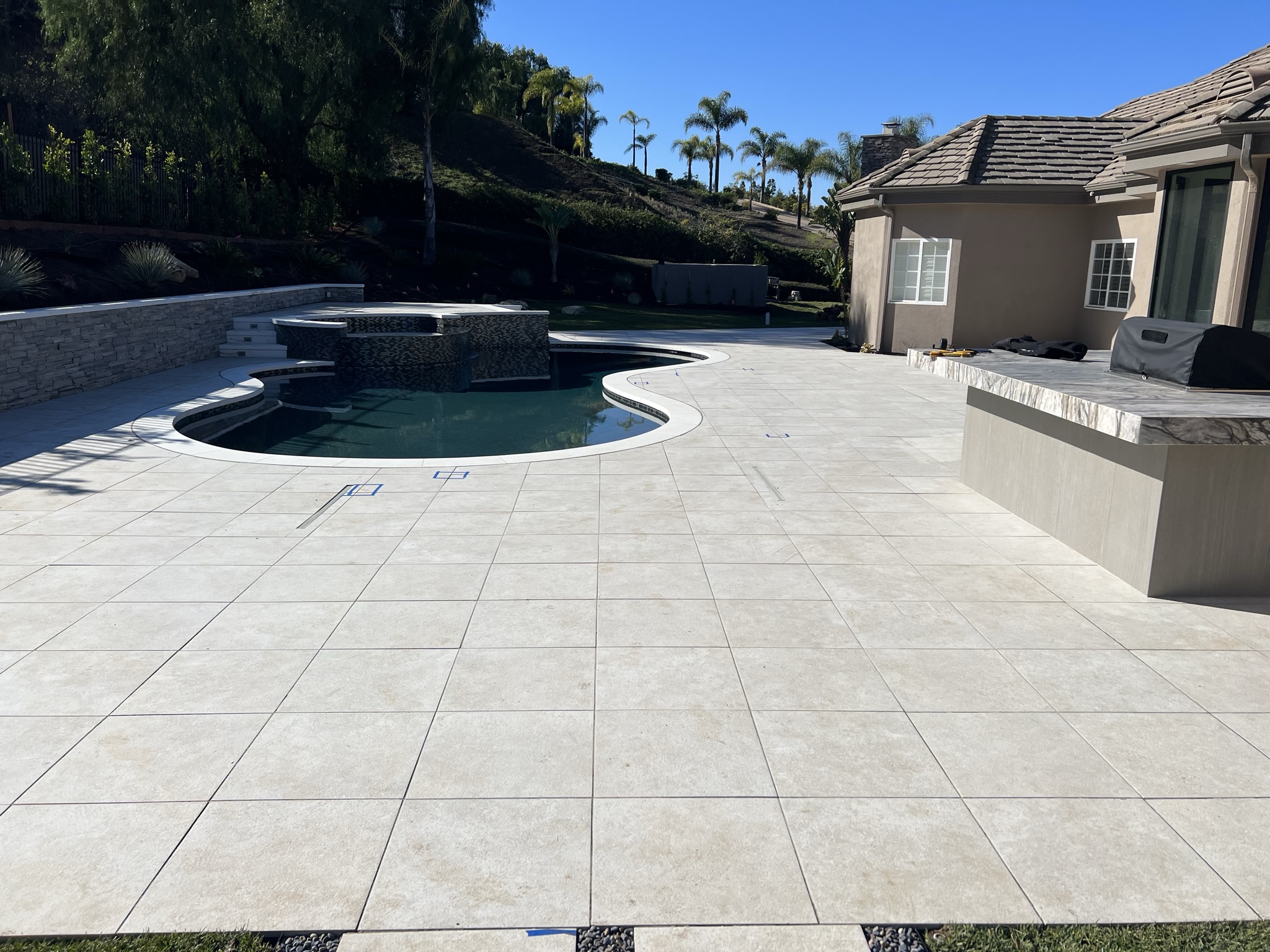
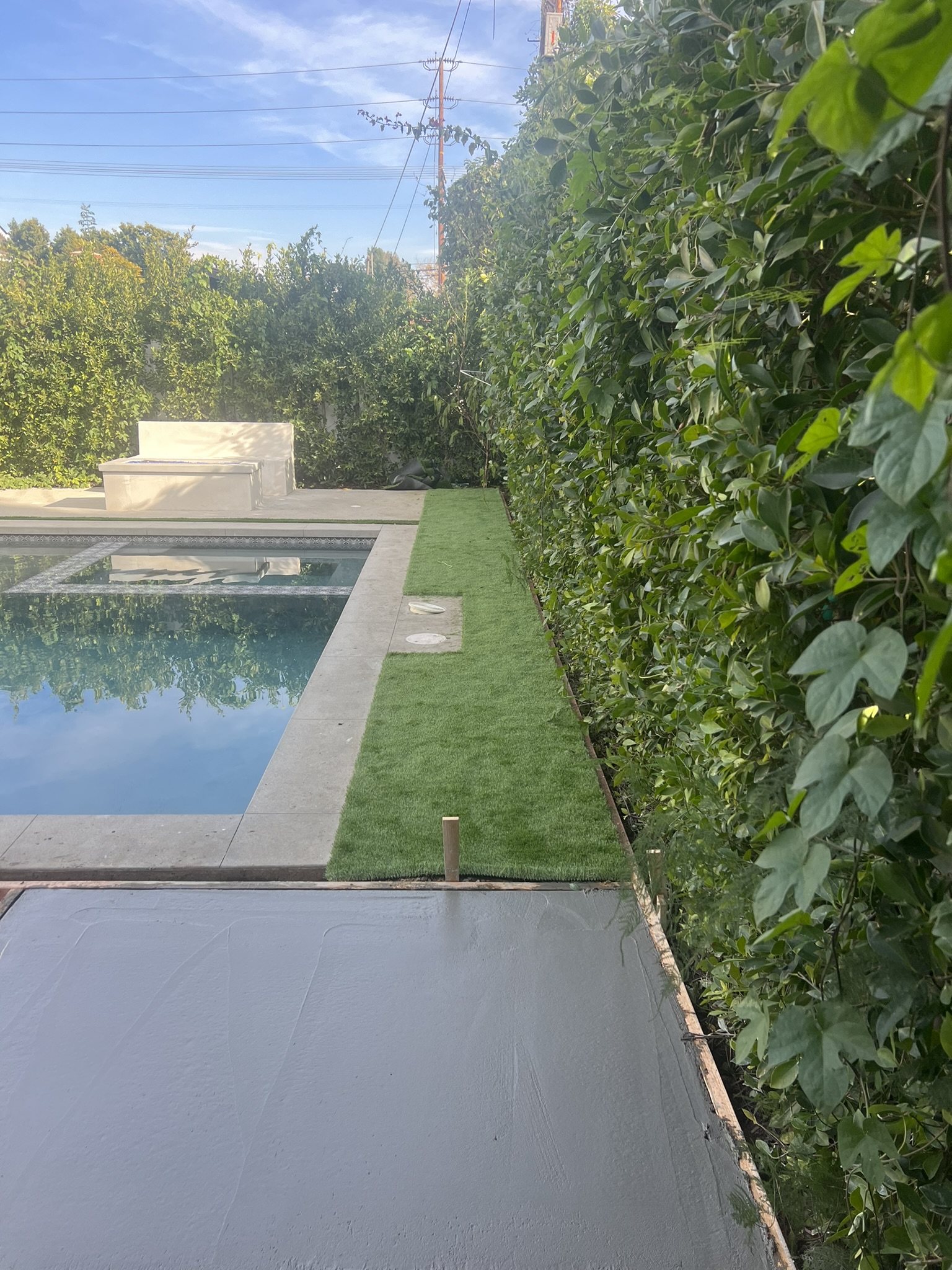
What Sets Your Custom Pool Apart...
01
Gunite shell construction
Steel-reinforced gunite forms the structural shell, thicker walls, tighter tolerances, and a surface that holds up to California soil movement and climate.
02
Integrated spa design
Spas are sized and positioned relative to the pool so equipment, plumbing, and sightlines work together, not as an afterthought bolted on later.
03
Tile, coping & deck
Waterline tile, coping stone, and surrounding deck chosen and installed by our own crew, consistent material quality and clean transitions from water to hardscape.
04
Energy-efficient equipment
Variable-speed pumps, LED lighting, and smart controllers reduce operating costs and meet California’s Title 20 appliance efficiency requirements.
Engineered for water. Finished for living.

Every pool starts with your site’s setbacks, soil conditions, and utility layout. Before any excavation, we complete structural drawings, pull permits, and confirm equipment placement so there are no surprises once the dig begins.
The finish package is chosen together, plaster, tile, coping, and deck material, so the pool reads as a single design decision, not a series of contractor hand-offs.
How Your Pool Gets Built
01
Design & Permits
We draft structural plans, pull city permits, and coordinate utility mark-outs before any equipment arrives on site.
02
Excavation & Steel
Excavation is completed to engineered depth; the rebar cage is tied and inspected before gunite is applied.
03
Gunite & Waterproofing
High-strength gunite is shot in a single continuous pass; coping and tile are set while the shell cures to final hardness.
04
Plaster, Fill & Start-up
Interior plaster is applied, the pool is filled, and equipment is commissioned, leaving you with chemistry balanced and ready to swim.
Pool Construction & Materials.
Pool types & shell options
- Gunite (shotcrete), Steel-reinforced, custom-shaped shell capable of any freeform design, our standard method for all new pool construction.
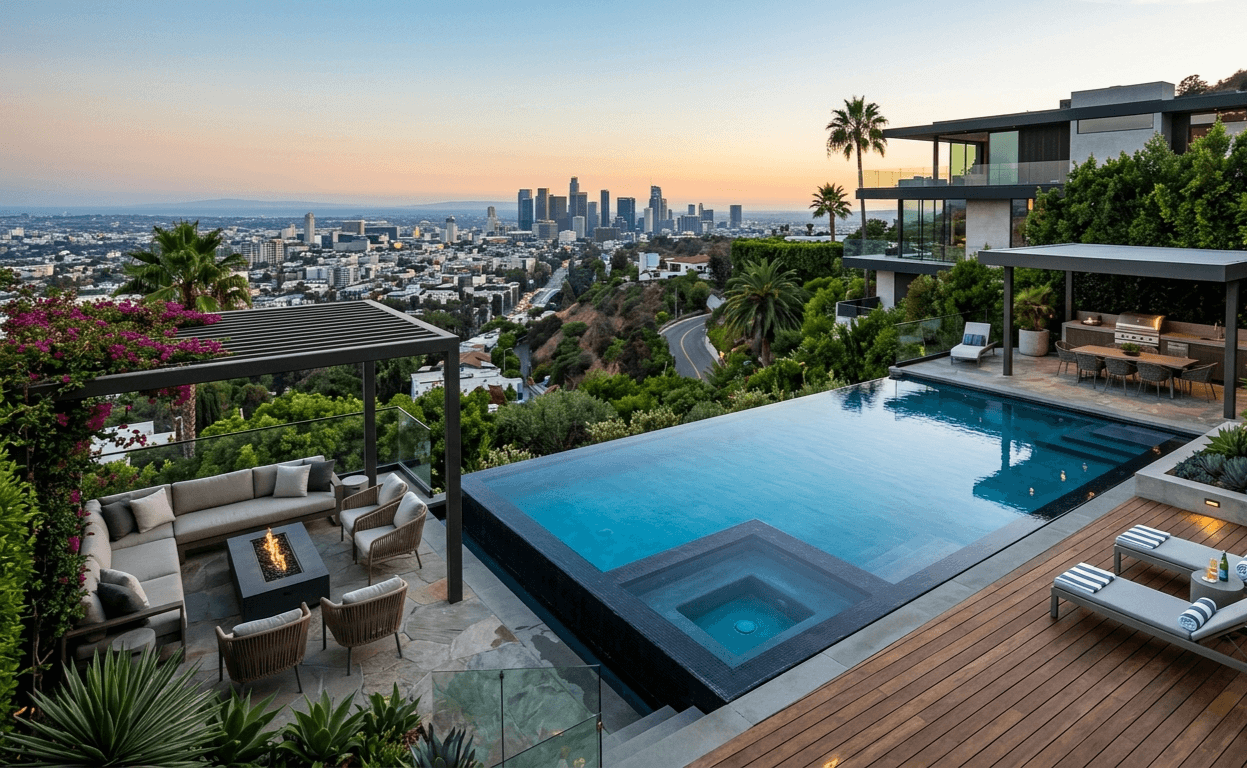
- Infinity & vanishing edge, Precision-leveled catch basins and overflow weirs for dramatic edge-of-water effects on hillside lots.
- Plunge pools, Compact footprints, deeper profiles, and faster heat-up times, ideal for smaller lots or standalone relaxation pools.
- Integrated spas, Spill-over spas designed into the original pool shell share equipment and look like one continuous water feature.
Finish & interior surfaces
- White & colored plaster, Standard pool interior, smooth, durable, and available in a range of pigmented finishes.
- Pebble & aggregate finishes, Exposed aggregate plaster (Pebble Tec, Hydrazzo) for texture, depth of color, and longer service life.
- Glass tile walls, Full-tile interior for the cleanest, most durable finish, typically used on negative-edge faces.
- Waterline tile, 6×6 or mosaic tile band at the waterline; selected to complement coping and deck material.
Equipment & efficiency
- Variable-speed pumps, California Title 20-compliant VS pumps reduce energy use by up to 80% vs. single-speed models.
- LED lighting, Color-programmable LED pool and spa lights on low-voltage transformers, safer and cheaper to run.
- Automation systems, Pentair or Jandy automation for remote temperature, lighting, and feature control from a phone.
- Heaters & heat pumps, Gas heaters for fast heat-up; heat pumps for year-round, low-cost temperature maintenance.
Pool & Spa FAQ
Questions Los Angeles Homeowners Ask Us
Should I build a spa with the pool or on its own?
Both work, and the decision is mostly about plumbing and budget. A spa built into the pool shell shares the structure, excavation and much of the equipment, so it costs far less than the same spa built separately, and a shared heater and pump keeps running costs down. A standalone spa makes sense when there is no pool, when you want it closer to the house than the pool sits, or when you want to heat a small body of water without firing equipment sized for a pool. Standalone units need their own pad, power and gas, which is where the cost lives.
What does it cost to build a pool or spa in Los Angeles?
Excavation and access dominate more than people expect. On a flat Valley lot with side-yard access for equipment, the dig is straightforward. On a hillside parcel in the canyons or the foothills, the shell may need engineered support, spoil has to be exported, and material often moves by small machine or by hand, which can multiply the cost of an otherwise identical pool. After that: shell size and shape, finish (plaster versus pebble or quartz), decking area and material, equipment specification, and whether a spa, water feature or fire element is integrated. Permits and, for new construction, drowning-prevention safety compliance are additional.
How long does construction take?
A new pool is a sequence of trades with cure and inspection time between them: layout and excavation, steel, plumbing and electrical rough-in, gunite, then a cure period, then tile and coping, decking, plaster and start-up. The schedule is set by inspections and curing as much as by labour, and weather matters: Los Angeles allows work nearly year round, but saturated ground during winter storms stops excavation. We give a realistic sequence at the outset rather than a best case.
What pool deck material should I use?
Surface temperature is the deciding factor inland and most people underestimate it. Dark concrete and dense dark stone absorb and re-radiate heat, and in Woodland Hills or Chatsworth a dark deck is genuinely unwalkable barefoot in August. Travertine and lighter paver tones stay markedly cooler. Unit paving also flexes with the seasonal soil movement common here and can be lifted and reset, where a cracked concrete deck means replacement. If the pool is saltwater, note that salt systems accelerate efflorescence and surface deposits on concrete products, which is one reason porcelain and stone appear so often around newer pools.
Do I need safety fencing or a cover?
California requires drowning-prevention measures for residential pools, and the obligation is triggered when a pool is newly constructed or when a permit is pulled to remodel an existing one. The framework requires a specified number of approved features from a defined list: enclosures meeting particular height and gate requirements, approved safety covers, exit alarms on doors giving access to the pool area, self-closing and self-latching devices, and alarms detecting entry into the water. The detail that catches people out is the remodel trigger: a resurfacing or equipment project can bring an older pool into scope. Provisions have been amended over the years, so we confirm current requirements with the local building department during planning.
Can you remodel an existing pool rather than replace it?
Usually, and it is often the better value. Resurfacing, new tile and coping, deck replacement, equipment upgrades and adding a spa or water feature to an existing shell are all common. Replacing a failed single-speed pump generally means moving to a variable speed model under California efficiency rules, and that pays for itself in running cost. Combining resurfacing with tile replacement makes sense because both require draining and share the access cost. Consultation and 3D design are free.
Your new backyard pool,
built to for enjoyment, build to last.
From a compact plunge pool to a full resort-style pool and spa system, we handle design, engineering, and installation start to finish.