Asphalt Paving Contractor in Los Angeles
Residential driveways and commercial parking lots across Los Angeles — new asphalt, resurfacing, repairs, sealcoating and striping. Licensed, insured, free estimate.
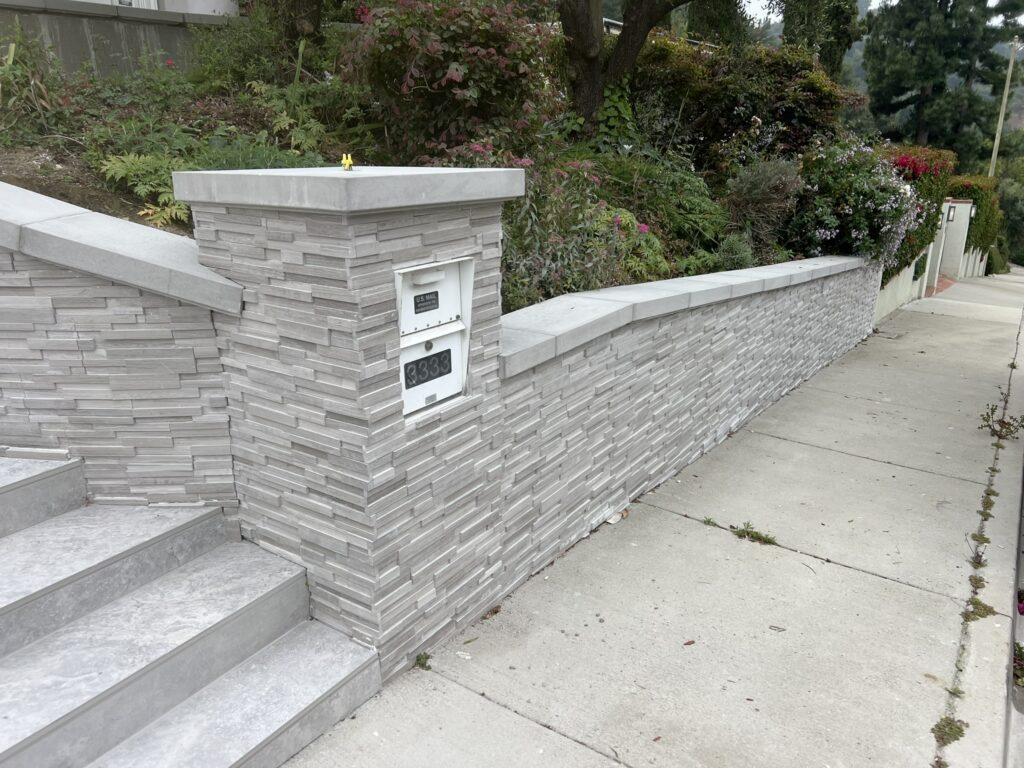
Asphalt is a structural pavement, not a surface treatment. What determines whether a driveway or parking lot lasts twenty years or fails in five is almost entirely what sits beneath it — subgrade preparation, aggregate base depth, and compaction — none of which is visible once the asphalt is down.
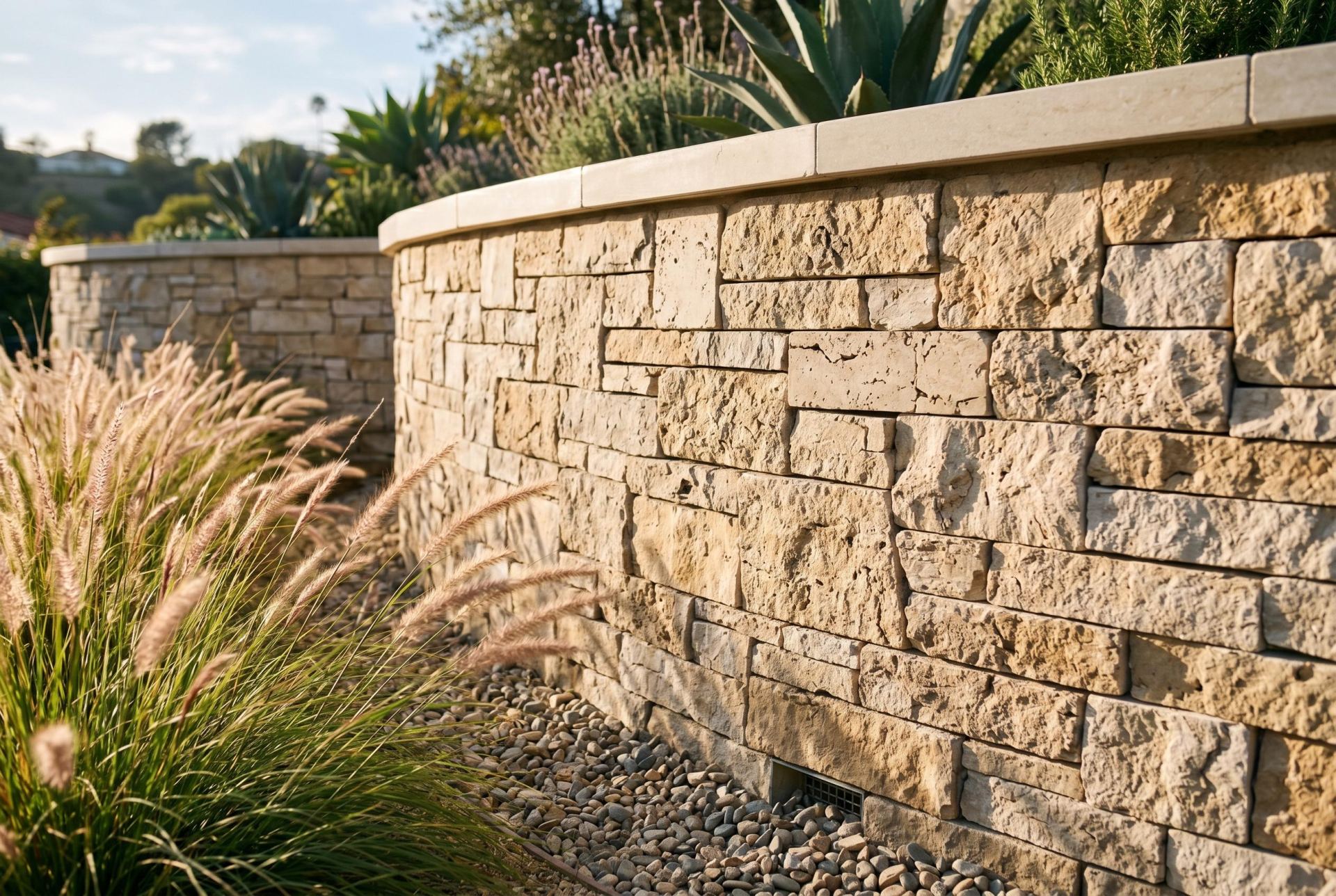
Asphalt Paving
Los Angeles makes that more demanding, not less. Much of the basin and the San Fernando Valley sits on clay-heavy soils that swell when wet and shrink through long dry summers, and that seasonal movement is what opens cracks in pavement built on an inadequate base. We build the structure first and pave second.
How an asphalt job actually runs...
01Site assessmentWe look at existing pavement, subgrade, drainage patterns, and how the surface is actually used. A parking lot carrying delivery trucks is a different specification from one carrying staff cars.
02Demolition or preparationFull removal and haul-off where the existing pavement has failed structurally, or milling where a sound base can be kept and resurfaced. Milling costs far less and is often the honest recommendation.
03Base and gradingSubgrade compacted, aggregate base placed in lifts and compacted, and grade set so water runs to where it is supposed to go rather than ponding in the middle.
04Paving and compactionHot mix laid at proper temperature and rolled while it is still workable. Striping, wheel stops and signage follow once the surface has cured.
Asphalt done right. From the subgrade up.
Driveways, parking lots, and everything between
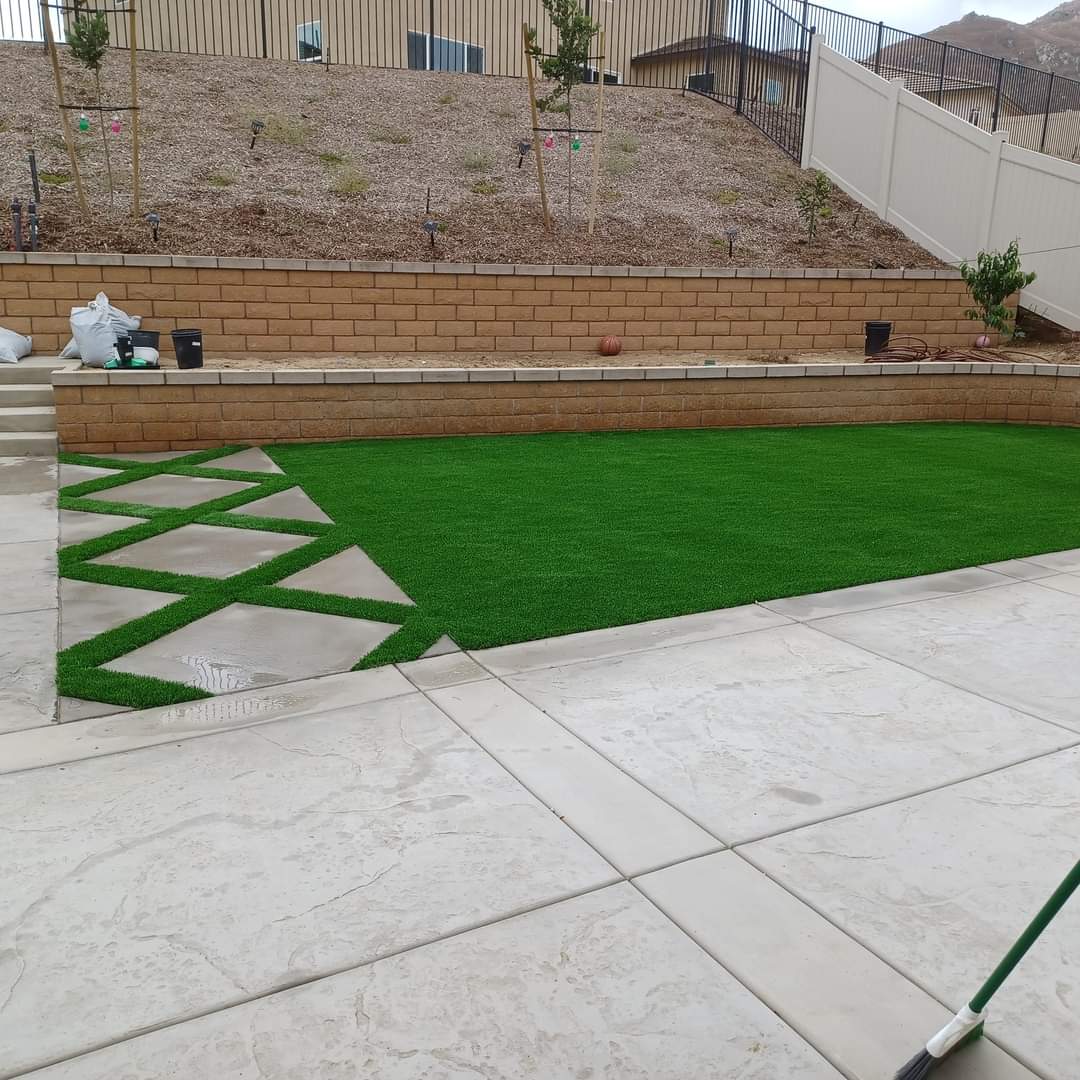
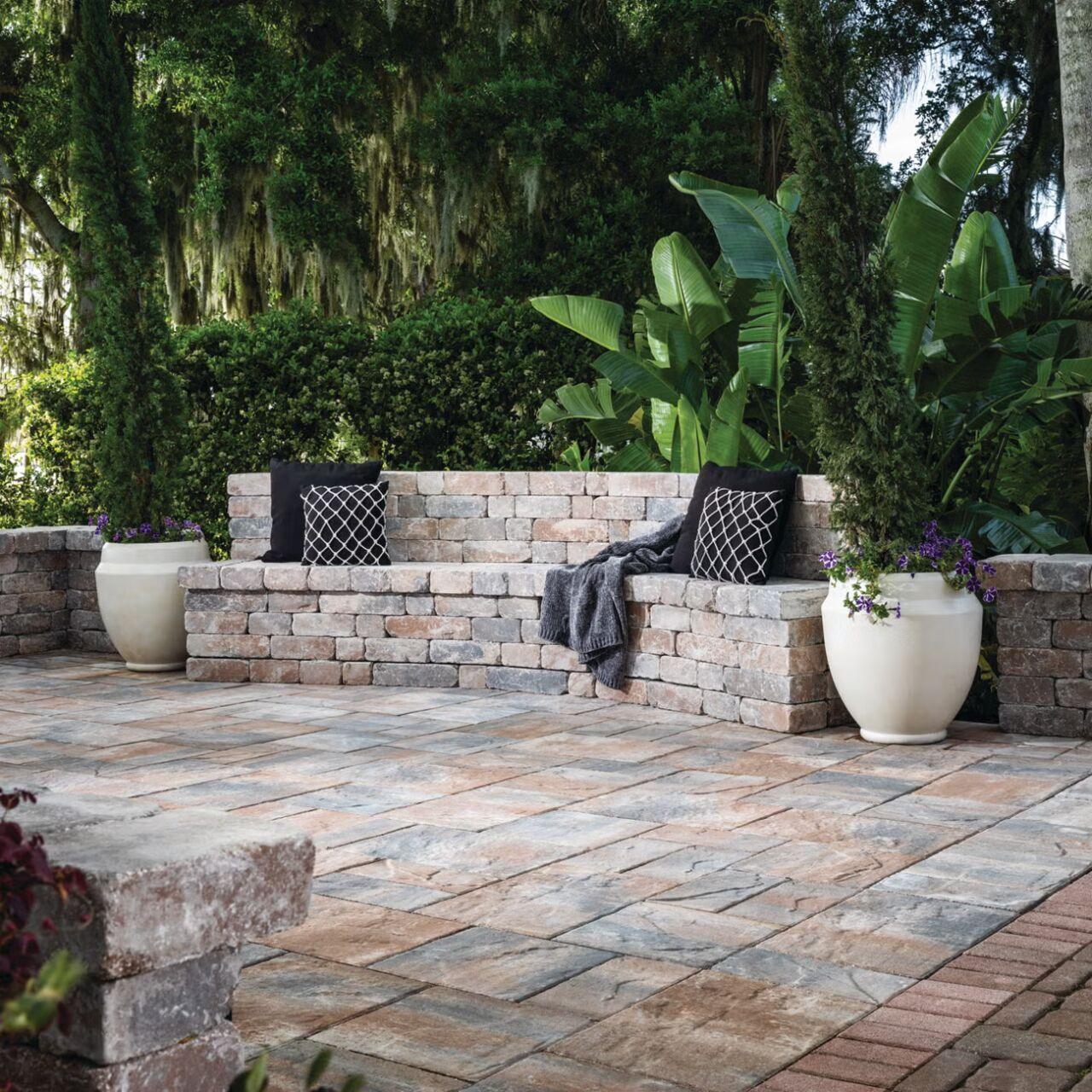


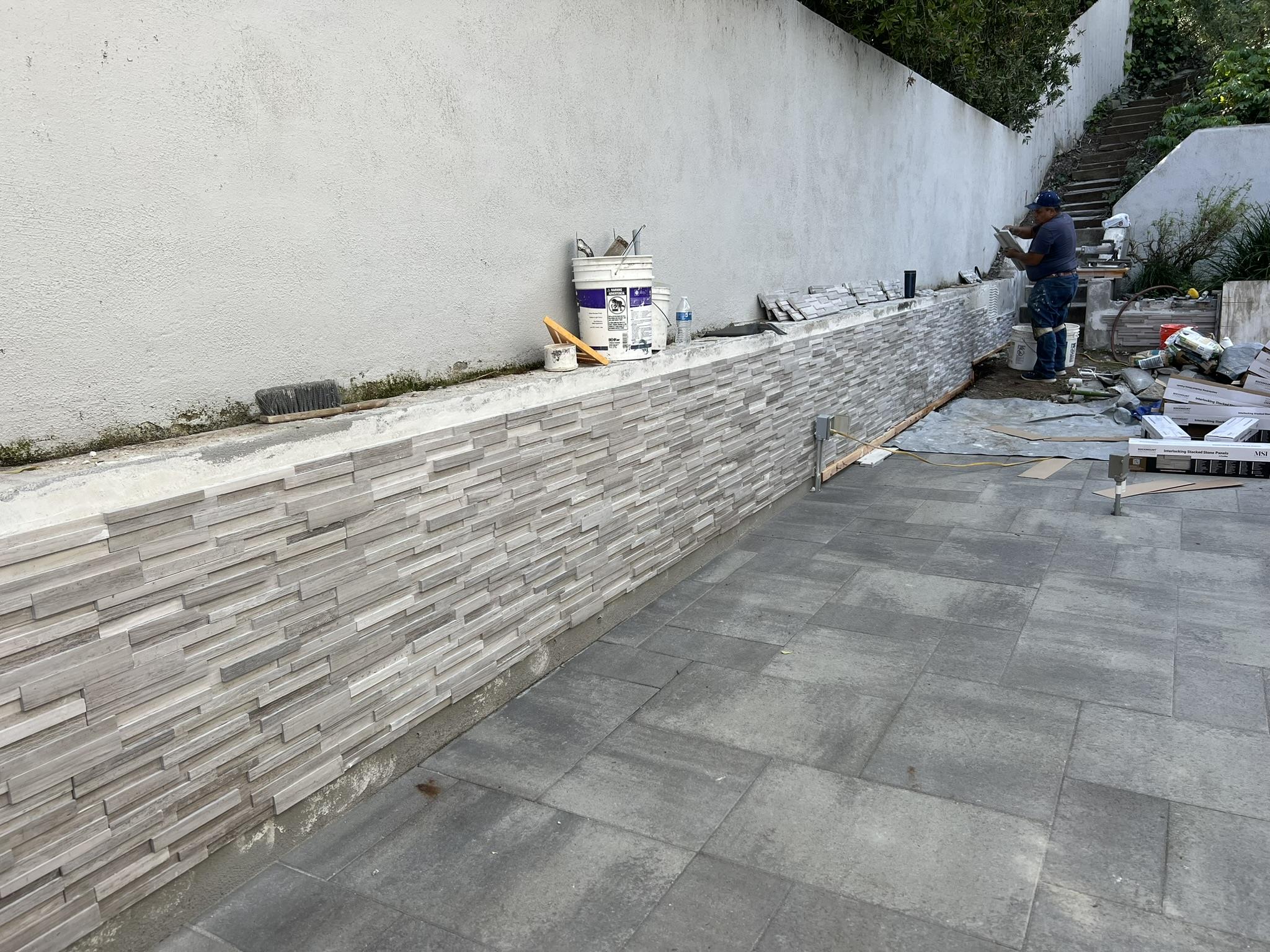
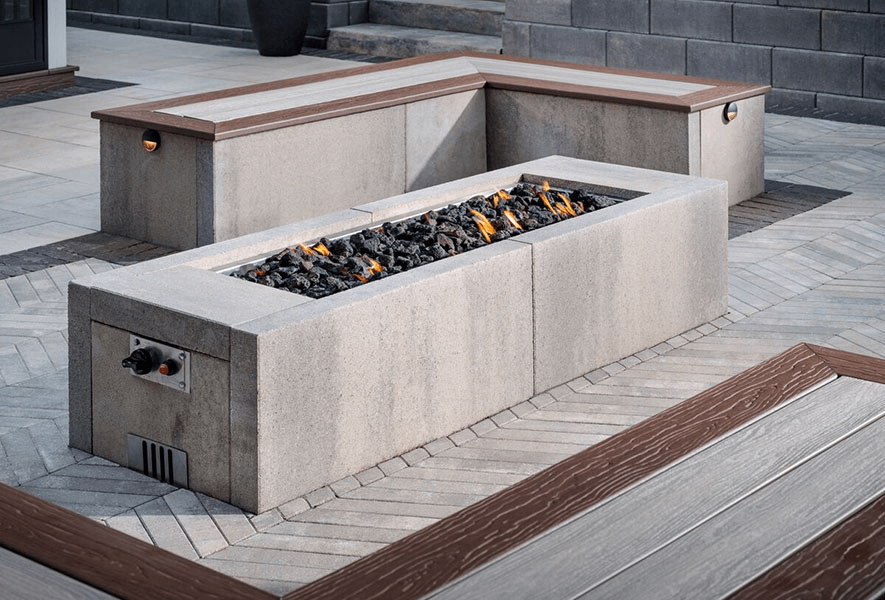
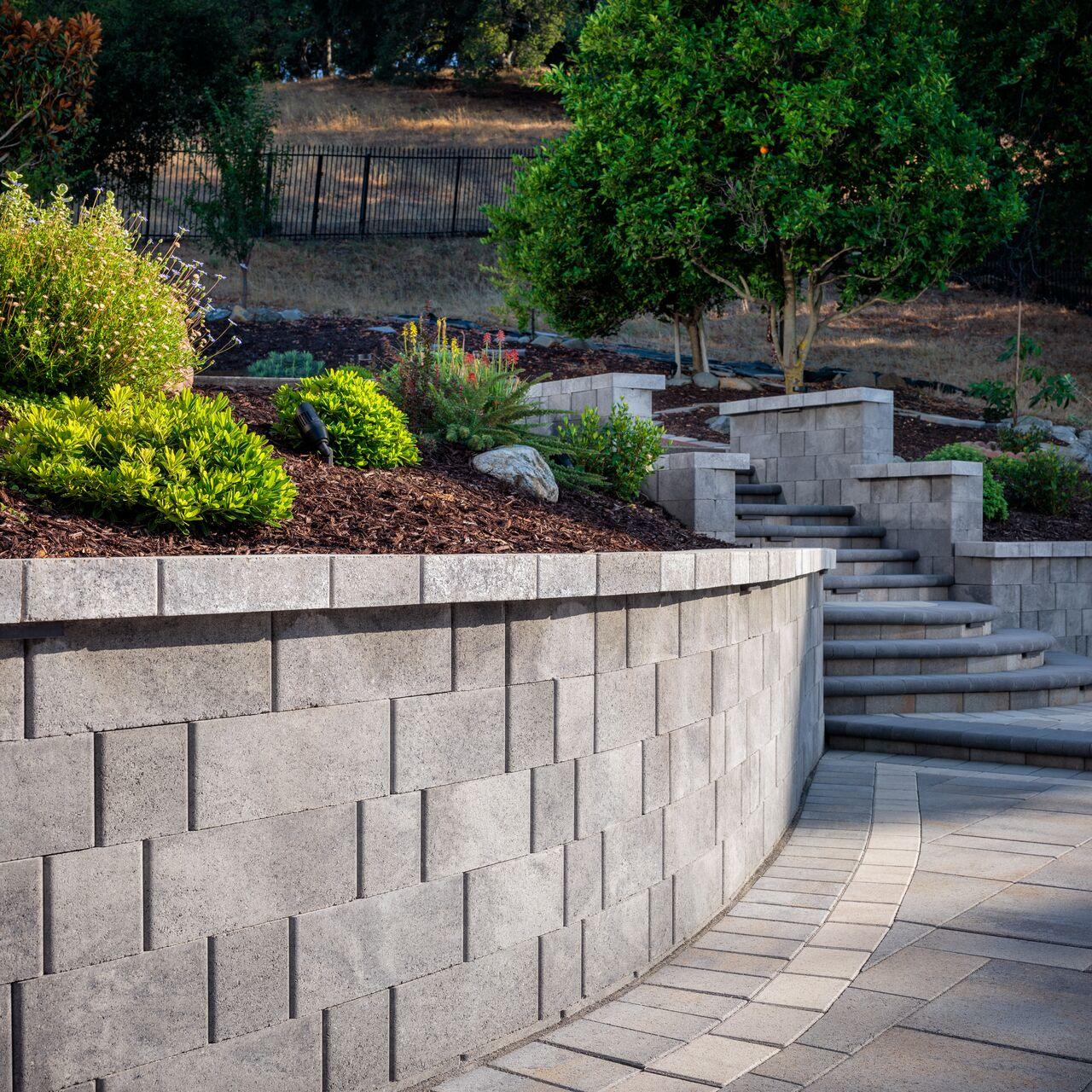
Why Our Asphalt Lasts
01Engineered base depthAggregate base specified for the actual load. A residential driveway and a delivery-truck parking lot are different pavements, and base depth is where that difference lives.
02Proper compactionBase placed and compacted in lifts rather than one deep layer, because a thick layer compacted once stays loose in the middle and settles later as ruts.
04Clean edges and transitionsProperly cut and sealed joints where new asphalt meets existing concrete, gutters, or driveway aprons, since unrestrained edges are where failure usually starts.
03Drainage and slopePositive fall designed in. Standing water is the fastest way to destroy asphalt, softening the binder and undermining the base from beneath.
On the residential side we pave driveways, long private approaches, and the steep hillside drives common across the Valley and the canyons, where grade transition and drainage matter more than the surface itself. On the commercial side we handle parking lots for retail centres, multifamily and HOA properties, churches, schools and industrial sites — new construction, resurfacing, repair, sealcoating and striping, including ADA-compliant stall and access-aisle layout. Work on commercial properties is scheduled around operating hours, and we phase larger lots so the business keeps running.
Asphalt Paving FAQ
Questions Property Owners Ask Us
Should I resurface or replace my asphalt?
It depends entirely on the base, not on how bad the surface looks. If the structure underneath is sound, an overlay — often after milling the old wearing course — restores the surface for a fraction of replacement cost. If the failure is structural, you will see alligator cracking across large areas, depressions that hold water, or potholes that come back within months of patching. Resurfacing over a failed base simply buries the problem and it reappears within a season or two. We tell you which one you have.
How long does asphalt last in Los Angeles?
Longer than in freeze-thaw climates, because the damage mechanism here is different. What ages asphalt in Southern California is ultraviolet exposure and heat oxidising the binder, which makes the surface grey, brittle and prone to cracking, plus oil and fuel softening it in parking areas. Keeping water out of cracks and sealcoating on a sensible cycle extends life considerably. A well-built pavement on a proper base lasts a long time; one built on a thin base fails early regardless of maintenance.
Is sealcoating worth it?
On sound pavement, yes — it slows UV oxidation, resists oil and fuel penetration, and restores appearance, which matters on a commercial property. But it is maintenance, not repair. Sealcoating a pavement with structural failure beneath is money spent hiding a problem that will come back through. Anyone recommending sealcoat for alligator cracking or depressions is selling you the wrong thing.
Do you do commercial parking lots?
Yes — retail centres, multifamily and HOA properties, churches, schools and industrial sites. That includes new construction, resurfacing, repairs, sealcoating, striping, wheel stops and signage, and ADA-compliant accessible stall and access-aisle layout. We schedule around your operating hours and phase larger lots in sections so the property stays usable while work proceeds.
How long before I can drive on new asphalt?
Light vehicle traffic is usually fine within a day or two, but fresh asphalt stays soft for considerably longer as it cures, particularly through a Los Angeles summer. For the first several weeks, power steering while stationary, motorcycle kickstands, trailer jacks, and furniture legs can all leave permanent marks. On commercial lots we sequence striping and reopening around that curing time, and we tell you specifically what to avoid and for how long.
Do I need a permit for asphalt paving?
Resurfacing an existing private driveway or lot generally does not require one. Work in the public right of way — including the driveway approach between the sidewalk and the street — is permitted separately from work inside the property line. Projects that add or replace significant impervious surface can trigger stormwater management requirements, and commercial work frequently engages accessibility compliance review. Requirements differ between the City of Los Angeles and the separately governed cities around it, so we confirm for the specific parcel. Site visits and estimates are free.
Asphalt Services
New asphalt pavingFull-depth construction over an engineered base, for driveways, private roads, and commercial lots. Resurfacing and overlayA new wearing course over sound existing pavement, often after milling. Far less expensive than full replacement where the base is still good. Milling and removalGrinding off failed surface material, or full demolition and haul-off where the structure beneath has gone. Repairs and patchingPothole repair, full-depth patching of failed sections, and crack filling before small problems become structural ones. SealcoatingA protective coat over sound asphalt that slows oxidation from Los Angeles sun and resists oil and fuel. Maintenance, not a repair — it will not fix a failing base. Striping and ADA layoutStall striping, directional markings, fire lanes, wheel stops, signage, and accessible parking laid out to code. Asphalt or pavers?For a residential driveway both are valid. Asphalt costs less up front and goes down fast; pavers last longer and can be lifted and reset.
Get a straight answer on your pavement.
Whether it is a cracked driveway, a parking lot due for resurfacing, or a new build, we will look at what is actually there and tell you whether it needs replacing or whether a resurface will buy you another decade.
Explore Other Services
01Paver InstallationDriveways, patios & walkways→02Concrete Driveways & FlatworkPoured concrete, stamped & finished→03Retaining & Block WallsEngineered walls for hillside lots→04Backyard RemodelingFull outdoor design-build→